So, your AI SDR campaign isn’t working. What now?
 Winfield Dean-Salyards
Summary
A straightforward look at why AI SDR campaigns fall short. Weak targeting and generic messaging are part of the problem, but AI itself also struggles with flexibility, nuance, and real human interaction, especially once conversations begin. The takeaway is not to abandon AI, but to use it more intentionally by tightening the fundamentals, avoiding over-automation, and keeping humans involved where it matters most.
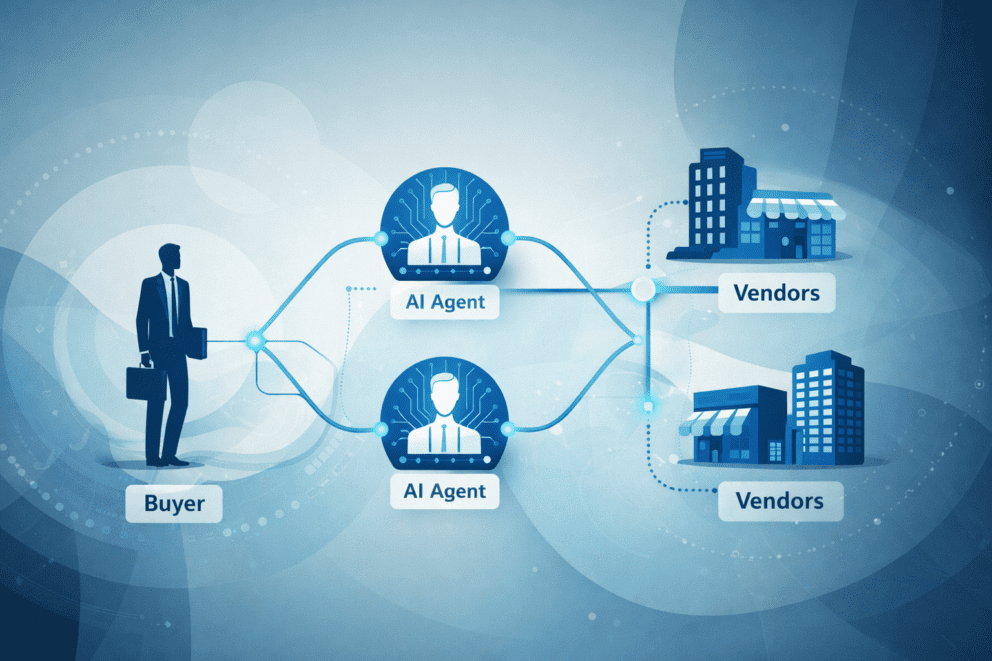
Let’s be honest. Sometimes the issue is the strategy. Sometimes it is the targeting. Sometimes it is the message. And sometimes, it actually is the AI. Not because AI is useless, but because it has real limitations that a lot of teams ignore. What usually happens is this. A team rolls out an AI SDR tool expecting it to handle outreach end-to-end. Write the emails. Personalize at scale. Respond to prospects. Book meetings. Replace a chunk of the human effort. It sounds efficient. In practice, it breaks down pretty quickly.
 AI is good at patterns, but it’s not good at nuance. It can generate something that looks right, but it struggles to adjust in real time. It does not really understand tone shifts, context, or when a conversation is starting to go somewhere. And prospects can feel that. That is why a lot of AI SDR campaigns feel the same. The messages are not terrible, but they are flat. Slightly personalized, but not actually relevant. Clean, but forgettable.
And when replies do come in, things get worse. AI struggles with the part that actually matters most. Handling real conversations. Picking up on intent. Knowing when to push, when to clarify, and when to back off. That is where deals are won or lost, and it is still a very human skill. So yes, AI plays a role in why these campaigns fail. But it is usually how it is being used.
So, what now?
A lot of teams hand over too much, too early. They expect AI to figure out the audience, the message, and the interaction layer all at once. That is a big ask, and it usually leads to generic outreach and shallow conversations. At the same time, the fundamentals are often not there. Broad targeting. Safe messaging. Weak positioning. AI takes all of that and spreads it faster. So you end up with two problems stacked on top of each other. Weak inputs and a system that is not built for flexibility or real human interaction. If your campaign is not working, the move is not to double down on automation or rip it out completely. It is to reset how you are using it.
Start with the basics. Get specific about who you are going after and what problem you are solving. Write a few messages yourself. Pay attention to what actually gets a response and what falls flat. Then bring AI back in, but in a more controlled way. Use it to help with drafts, variations, and research. Not to run the entire motion. And most importantly, keep a human in the loop once conversations start. That is the part AI still struggles with, and it is the part that matters most. The teams seeing results right now are not the ones fully automating outbound. They are the ones using AI where it works and stepping in where it does not.
Because AI can help you move faster. It can help you scale. But it still cannot replace good judgment or real conversations. And if your campaign is missing those, no amount of automation is going to fix it. If you want to chat about how your team is using AI or anything else in this post, please reach out: acceleration@heinzmarketing.com